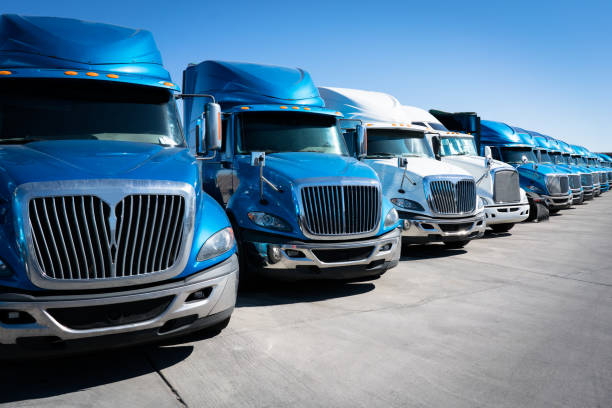

The global truck industry is changing rapidly in 2026. Manufacturers now focus on cleaner power, smarter technology, and lower operating costs. As a result, new truck launches reflect a strong push toward electrification, efficiency, and automation.
Moreover, rising fuel prices, stricter emission rules, and booming e-commerce continue to reshape demand. Consequently, fleets and logistics companies seek trucks that deliver reliability, range, and long-term savings.
Electric Trucks Gain Momentum Worldwide
Electric trucks move from trials to real-world deployment in 2026. Major automakers and startups introduce electric light-, medium-, and heavy-duty trucks. These models target urban deliveries, ports, and fixed-route logistics.
Additionally, electric trucks offer lower maintenance costs and zero tailpipe emissions. Fast-charging networks and depot charging systems further support adoption. As a result, logistics firms increasingly replace diesel fleets with electric alternatives.
In India and Europe, electric commercial vehicles gain traction in last-mile delivery and municipal services.
Hybrid Trucks Bridge the Transition Gap
While electric trucks grow, hybrid trucks still play a critical role. Many operators prefer hybrids for long routes and remote regions. Therefore, manufacturers continue to launch diesel-electric hybrid trucks in 2026.
These trucks reduce fuel consumption while maintaining high payload capacity. Furthermore, regenerative braking improves efficiency during city operations. Consequently, hybrids offer a practical solution where charging infrastructure remains limited.
Hydrogen Trucks Enter the Spotlight
Hydrogen fuel-cell trucks attract strong attention in 2026. Several global brands test long-haul hydrogen trucks for cross-country transport. These trucks offer fast refueling and extended range.
However, hydrogen infrastructure remains limited. Even so, governments and private players invest heavily in hydrogen corridors. As a result, fuel-cell trucks show strong long-term potential for heavy logistics.
Smart Technology Transforms Truck Operations
Technology plays a central role in new truck models. AI-based fleet management systems now improve route planning and fuel efficiency. Meanwhile, advanced telematics track driver behavior and vehicle health in real time.
Additionally, autonomous features such as lane assist, collision avoidance, and adaptive braking enhance safety. Over-the-air updates allow fleet owners to upgrade software without downtime.
Therefore, trucks evolve into connected, data-driven assets rather than simple transport tools.
Pickup Trucks and Lifestyle Trucks Expand Globally
Pickup trucks continue to grow beyond commercial use. In 2026, brands launch electric and hybrid pickups for personal and lifestyle buyers. These trucks combine utility with comfort and modern design.
As a result, pickups gain popularity in emerging markets and urban regions.
India’s Role in Truck Manufacturing Grows
India strengthens its position as a truck manufacturing hub in 2026. Domestic brands expand exports to Africa, the Middle East, and Southeast Asia. Meanwhile, global players invest in Indian plants for electric truck production.
Government incentives and infrastructure development support this growth. Consequently, India becomes a key player in the global commercial vehicle ecosystem.
Why Truck Launches in 2026 Matter
Truck launches in 2026 shape the future of logistics and transportation. Cleaner trucks reduce emissions. Smarter systems improve efficiency. Lower costs support sustainable growth.
For businesses, these innovations mean better margins and reliability. For cities, they mean cleaner air and quieter streets.
Conclusion
New truck launches in 2026 mark a turning point for the commercial vehicle industry. Electric, hybrid, and hydrogen trucks now move from concept to reality. As technology advances and infrastructure expands, trucks become cleaner, smarter, and more efficient. Ultimately, 2026 sets the foundation for the next era of global logistics.