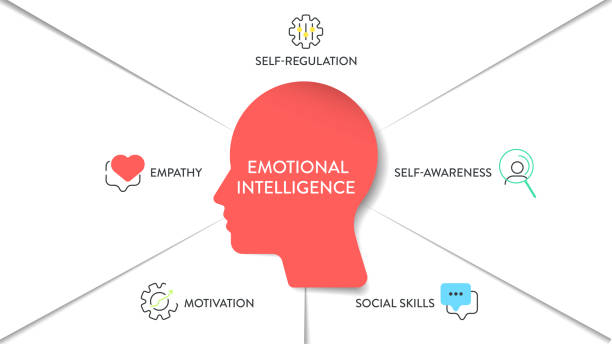
 alongside core subjects)
Education today goes beyond academics. Schools and universities now teach emotional intelligence (EI) alongside core subjects. EI includes skills such as empathy, self-awareness, and emotional regulation. These skills help students succeed both socially and academically.
Why Emotional Intelligence Matters
Students with strong EI manage stress better and collaborate effectively.
Additionally, they communicate clearly, resolve conflicts peacefully, and build stronger relationships.
In modern classrooms and workplaces, EI skills matter as much as traditional knowledge. Students who develop EI perform better academically and socially. Consequently, they enter adulthood prepared for challenges beyond exams.
How Schools Teach Emotional Intelligence
Educators use a variety of activities to build EI. Group projects encourage collaboration and perspective-taking. Peer mentoring helps students understand others’ experiences. Reflective journaling promotes self-awareness and emotional growth.
For example, role-playing exercises teach empathy, while mindfulness sessions strengthen focus and stress management.
Technology also supports EI education, with apps and interactive platforms that track emotional well-being and provide feedback.
Outcomes of Emotional Intelligence Education
Students with high EI enjoy better mental health, increased resilience, and improved decision-making skills.
They handle pressure calmly and express themselves clearly. Moreover, they develop empathy, helping them navigate social challenges effectively.
Studies show that EI education correlates with higher academic performance, leadership skills, and teamwork capabilities. As a result, EI prepares students not just for exams, but for life.
Why EI Is the Future of Education
In 2026 and beyond, emotional intelligence will remain central to holistic education. Schools that invest in EI create supportive environments where students grow as thoughtful, resilient individuals.
Furthermore, EI equips learners to thrive in diverse workplaces and complex social settings. By prioritizing emotional development, educators help students succeed academically, socially, and professionally.
Conclusion
Emotional intelligence is no longer optional—it is a core skill for the modern learner.
By integrating EI into the curriculum, schools foster self-aware, empathetic, and resilient students.
Ultimately, emotional intelligence empowers young people to navigate life successfully while building stronger communities.