
I didn’t really understand what interior design and remodeling meant until I lived in a house that looked nice in photos but felt annoying to live in. That sounds dramatic, but it’s true. Everything technically worked, yet nothing felt easy. The kitchen had space but somehow no room to cook comfortably. The living room looked stylish but nobody actually sat there long. It was one of those homes where you keep adjusting your habits instead of the house helping you. That’s when I realized design isn’t decoration — it’s more like problem-solving disguised as aesthetics.
Why homes slowly become frustrating without us noticing
Most people don’t wake up one day and decide their house is wrong. It creeps in slowly. You start leaving things in random places because storage doesn’t make sense. You avoid certain corners because lighting feels weird. Even sound travels oddly sometimes and you don’t know why conversations feel louder than they should.
I read somewhere (honestly forgot where) that people rearrange furniture every few months not because they’re bored but because they’re subconsciously trying to fix layout problems. That actually explains a lot. My cousin moves his sofa like every season and calls it refreshing the vibe, but really the room just never worked properly.
Social media makes it worse, honestly. You scroll through perfectly designed homes and suddenly your own place feels unfinished. But what those videos don’t show is planning — the boring thinking phase where most real improvement happens.
Money decisions feel emotional during renovations
Nobody talks enough about how emotional budgeting becomes. You start practical, telling yourself you’ll stay reasonable. Then suddenly you’re comparing materials and convincing yourself a slightly better option is future savings. Sometimes that’s true, sometimes it’s just justification.
Remodeling reminds me of maintaining a bike. Ignore small issues and later everything costs more to fix. Invest early and the ride stays smooth. Same logic applies to flooring, lighting, storage — boring stuff that ends up mattering more than fancy decor.
There’s also this weird psychological thing where once work starts, people want everything upgraded at once. Online forums are full of homeowners saying, We already opened the wall, so we just went for it. That sentence probably destroys more budgets than inflation does.
The messy middle phase nobody enjoys
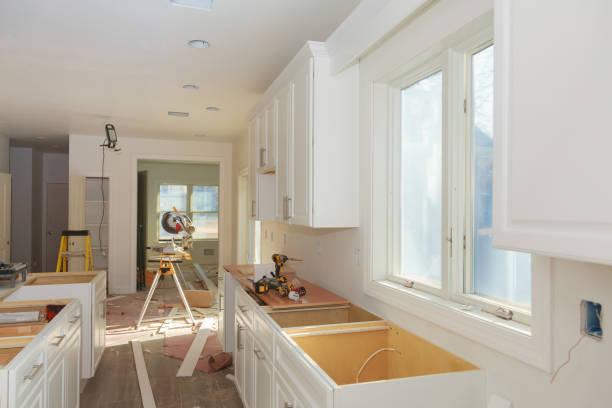
Renovations look exciting at the beginning and magical at the end, but the middle part feels like chaos. Dust settles everywhere no matter how careful workers are. You forget where basic things are kept. Normal routines disappear.
A friend told me he almost regretted remodeling halfway through because nothing looked right yet. Rooms feel smaller before they feel bigger. Half-finished spaces mess with your brain because humans like completion. We struggle seeing potential when things look broken.
And decision fatigue is real. After choosing paint shades, tile textures, fixtures, finishes — your brain just stops caring. At some point every option looks identical and you pick randomly hoping for the best.
Small design choices quietly change daily life
What surprised me most is how small adjustments create big comfort changes. Better lighting alone can completely change mood. Warm layered lights make evenings calmer, while harsh overhead lights make rooms feel like offices.
Storage is another underrated hero. When everything has a place, your mind feels calmer too. Sounds exaggerated, but clutter genuinely drains energy. Designers often prioritize hidden storage before visible beauty, which felt backwards to me at first but makes sense now.
Layout improvements also reduce tiny daily irritations. Walking paths become smoother, furniture stops blocking movement, and suddenly the house feels bigger without adding space. It’s weird how a few inches difference somewhere can change the whole experience.
Trends are fun online but risky in real homes
Every year there’s a new must-follow style. Minimalist one year, cozy textures the next. If you chase trends too closely, your home starts feeling outdated faster than smartphones.
I’ve noticed more people online talking about comfort instead of perfection lately. Less showroom energy, more lived-in warmth. Probably because people spend more time at home now and realized aesthetic alone doesn’t make a space enjoyable.
Neutral foundations seem smarter long term. You can change decor easily later without redoing everything. Structural choices should survive trend cycles, otherwise remodeling becomes a repeating expense.
When a home finally starts working with you
The funny part is, after everything is finished, you stop noticing individual upgrades. You just feel… relaxed. Mornings become smoother because things are where they should be. Cleaning takes less effort. Even hosting guests feels easier because the space naturally supports movement and conversation.
That’s why interior design and remodeling ends up being less about making a house look impressive and more about removing daily friction. A well-designed home doesn’t constantly demand attention. It quietly makes life easier in small ways you barely notice until you remember how things used to feel before. And honestly, that subtle difference might be the real luxury people are actually searching for, even if they think they just want nicer walls or better furniture.