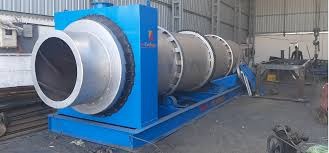

If you’ve ever dealt with industrial furnaces or brick-making kilns, you know the struggle of keeping everything sealed properly. That’s where Oswal kiln seals come in. Honestly, I didn’t even realize how much difference a proper seal could make until I visited a local kiln last year and saw one of these in action. The whole place felt cleaner, safer, and somehow less chaotic. It’s like comparing a car with a flat tire to one with a full set of shiny new wheels — the difference is night and day.
How Proper Sealing Saves You Money
Most people don’t really think about it, but every tiny crack in a kiln door or joint is literally money flying out as heat. I remember my uncle complaining about his old kiln that kept leaking heat, and the gas bill was insane. Switching to proper seals like the Oswal ones can cut down energy loss dramatically. It’s like having a leaky water bottle — you’re carrying all that extra weight around, and it just drips away unnoticed. In fact, some kiln operators online have been sharing stories on forums about cutting fuel usage by almost 15-20% just by upgrading their seals. Crazy, right?
The Technology Behind the Seals
Now, these aren’t just rubber strips slapped on a door. The engineering behind Oswal kiln seals is kinda fascinating. They’re designed to withstand crazy high temps, sometimes over a thousand degrees, without melting or losing shape. And the material? It’s one of those niche high-tech compounds that isn’t really talked about outside of industry circles, but apparently, it has some heat-expanding property that actually helps tighten the seal as the kiln heats up. I saw a TikTok the other day where someone tested an old seal vs a new Oswal one — the old one practically puffed out smoke while the Oswal stayed put like a champ.
Durability That Actually Lasts
One thing that bugs me about industrial products is when the manufacturer claims “super durable” but it falls apart in months. That’s not the case here. People on LinkedIn and niche Facebook groups have been hyping up Oswal kiln seals for their long life span. Some operators claim they’ve lasted over five years without needing replacement — which in kiln life terms is basically forever. It’s like buying a pair of sneakers that you actually don’t have to replace every season.
Installation Isn’t Rocket Science
I get it, some people avoid changing seals because they imagine it’s this huge ordeal with sparks and welding and curses. But honestly, installing these isn’t that bad. The instructions are surprisingly straightforward, and many kiln operators even say they’ve done it themselves without calling a technician. Of course, having a helper never hurts, unless you’re into burning your eyebrows off while trying to be a hero.
Why It Matters for Quality Control
Another angle people forget — a good seal isn’t just about saving energy. It affects product quality too. For brick kilns, consistent heat distribution is everything. Any leak can cause uneven firing, which means weak or cracked bricks. I read a thread on Reddit where a small manufacturer was struggling with brick breakage. After switching to these seals, the difference was noticeable: fewer defects, more uniform color, and even reduced complaints from clients. Quality control isn’t just a fancy term — it literally keeps your business from looking sloppy.
Online Buzz and Community Insights
Believe it or not, the online chatter about these seals is pretty interesting. It’s mostly small industry forums, some LinkedIn posts, and even a few YouTube demos showing before-and-after results. People aren’t just praising it blindly either; they’re sharing tips, like how to measure the right seal size or how to maintain them for longer life. It’s kind of like those hobbyist communities where everyone geeks out about their coffee machines, except this is about industrial furnaces. Somehow, it’s oddly satisfying to see that level of passion for something so niche.
A Personal Anecdote That Sticks
When I first visited a brick plant, I remember standing next to a worker who was fiddling with an old, cracked seal. He looked like he’d seen better days, muttering about fuel bills and wasted material. Then he swapped it out for a new Oswal seal, and I swear the whole room felt different. The heat felt more controlled, there was less smoke escaping, and he looked… happier? I didn’t realize how much a small piece of equipment could impact morale until that moment. Kind of silly, but true.
Maintenance Tips That Actually Work
Even the best seal won’t last forever if you ignore it. A quick wipe down to remove ash or dust, occasional inspections for cracks, and making sure the metal edges of your kiln doors are smooth before sealing are simple things that prevent issues. Some operators online joke about treating their seals like pets — check on them daily, and don’t let them get “hungry” (aka covered in grime). While it sounds funny, it works.
Final Thoughts
I know, I know — a seal doesn’t sound like the most exciting thing to talk about. But when you see the real-world impact, it’s kind of a game-changer. Energy savings, better product quality, longer equipment life, and even a tiny morale boost for your team. That’s why investing in Oswal kiln seals isn’t just a small upgrade — it’s one of those practical changes that makes life a lot easier, and your operation a lot smoother.
So next time someone tells you a seal is “just a seal,” you can smile and nod, knowing it’s more like the unsung hero of the kiln world. And honestly, I think that’s kind of cool.