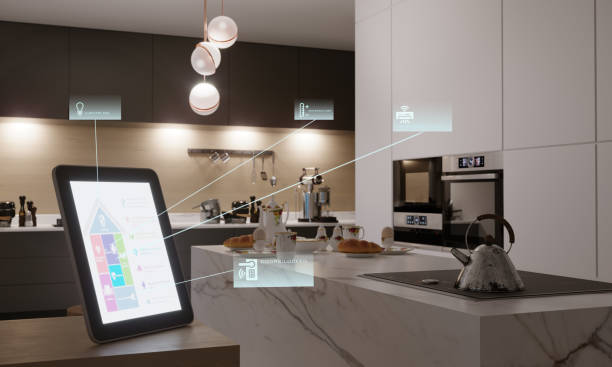

Home security has evolved far beyond basic locks and alarm systems. In 2026, smart home security focuses on intelligence, connectivity, and proactive protection. New technologies not only deter intruders but also monitor health, safety, and unexpected events. As a result, families feel safer, more informed, and better prepared for emergencies.
Why Smart Security Matters Today
Homeowners increasingly invest in smart security to protect property and loved ones. Traditional systems only alerted owners after an event occurred. However, modern systems anticipate risks, detect anomalies, and send alerts instantly. This shift helps prevent incidents before they escalate.
Moreover, smart security integrates with everyday routines, making homes safer without being intrusive.
AI‑Powered Cameras and Sensors
Smart cameras now use AI algorithms to distinguish between people, pets, and vehicles.
These systems reduce false alerts and focus on real threats.
Additionally, AI recognizes familiar faces stored in a user’s database and warns only when strangers appear.
Motion sensors link with lighting and sound settings to deter unwanted presence automatically.
Consequently, homes feel protected 24/7 with minimal manual monitoring.
Integrated Monitoring and Alerts
Smart hubs connect security cameras, door/window sensors, and emergency detectors.
These systems send real‑time alerts to phones, watches, and voice assistants.
For example, smoke or carbon monoxide detectors trigger alerts and call emergency contacts immediately.
Furthermore, apps allow homeowners to view live feeds and control settings remotely, even when away.
Health and Safety Sensors
Security tech now includes wellness monitoring.
Sensors monitor movement patterns and can detect unusual inactivity, which may signal a fall or medical emergency.
Additionally, some systems support panic buttons and instant direct contact with emergency services.
These features protect children, elders, and individuals living alone.
Privacy and Data Protection
While smart security collects sensitive data, companies now emphasize robust privacy and encryption standards.
Users control what data stores in the cloud and what stays local on devices.
As a result, smart security balances safety with privacy, giving users peace of mind.
Conclusion
Smart home security in 2026 combines advanced technology, real‑time monitoring, and proactive alerts to protect modern households.
By integrating AI cameras, smart sensors, and connected hubs, homes become safer and more responsive.
Ultimately, smart security not only deters threats but also enhances everyday safety and well‑being for families everywhere.