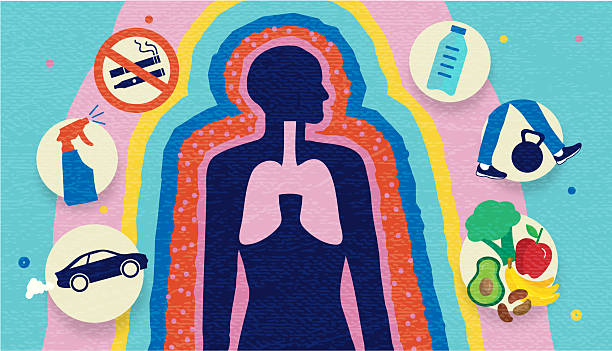

The United States has taken a significant step toward reshaping public health with the release of the Dietary Guidelines for Americans 2025–2030. Unveiled by the U.S. Departments of Health and Human Services and Agriculture, the updated guidelines mark one of the most substantial nutrition policy shifts in decades. At the centre of this change lies a simple but powerful message: eat real, minimally processed food.
A Shift Away From Ultra-Processed Diets
New guidelines strongly encourage Americans to prioritise whole foods such as fruits, vegetables, whole grains, lean proteins, and healthy fats. At the same time, they advise reducing consumption of ultra-processed foods, refined sugars, and heavily packaged products that dominate modern diets.
This direction reflects growing scientific evidence linking ultra-processed foods to obesity, type-2 diabetes, cardiovascular disease, and metabolic disorders. Rather than promoting restrictive eating trends or complex diet rules, the updated recommendations focus on balanced, sustainable eating patterns that people can realistically maintain over time.
Science-Driven and Practical Guidance
Health experts involved in shaping the guidelines emphasize that traditional dietary patterns—rooted in whole foods and moderation—offer better long-term health outcomes than short-term diet fads. Research increasingly shows that consistency matters more than perfection when it comes to nutrition.
By simplifying dietary advice, policymakers hope to make healthy eating more accessible across socioeconomic groups. The guidelines aim to support families, schools, healthcare providers, and community programs with practical tools that encourage healthier choices without overwhelming consumers.
Impact on Public Health Programs
Updated nutrition policy is expected to influence a wide range of federal and local initiatives. School meal programs, food assistance schemes, and public health campaigns will likely align their standards with the new guidelines in 2026 and beyond.
Officials believe this alignment could play a key role in reducing the national burden of diet-related chronic diseases. Improved nutrition also supports productivity, lowers healthcare costs, and strengthens long-term population health.
Why This Change Matters
The emphasis on “real food” represents a return to fundamentals at a time when food environments have become increasingly complex. Instead of focusing on calorie counting or elimination diets, the guidelines encourage Americans to build meals around nutrient-dense ingredients.
For individuals, this approach offers clarity and flexibility. For policymakers, it provides a science-backed framework to guide health interventions. For the healthcare system, it represents a proactive step toward prevention rather than treatment.
Conclusion
The 2025–2030 Dietary Guidelines signal a renewed commitment to evidence-based nutrition and long-term wellness. By promoting whole foods and discouraging over-processed diets, the U.S. nutrition policy aims to empower people with simpler, healthier choices. If widely adopted, this shift could reshape eating habits and improve public health outcomes for years to come.